
Grind and Seal Concrete Floors
Your slab is doing the work of a finished floor.
Bare concrete floors wear out over time. The surface goes soft and porous under traffic, and once it does, cleaning stops making much difference.
Grind and seal fixes the floor you have. Diamond tooling takes down the top layer, which opens the surface and evens out the wear. Our crew repairs the cracks and joints, then applies a sealer that closes the concrete and holds liquids on top of it.
You get a bright, sealed floor for less than a full resin system costs, and most spaces go back into service quickly.
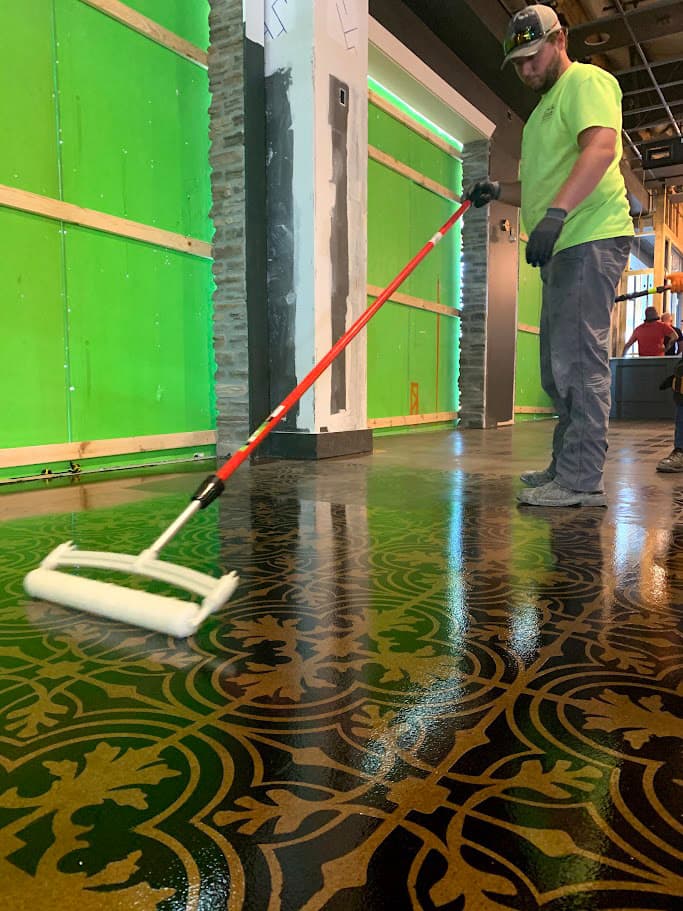

What grind and seal does for your floor
-
Dust Control
Grinding takes off the weak top layer of concrete that turns into dust. The sealer closes what is left, so the slab stops shedding onto product and equipment.
-
Easier Cleaning
A sealed floor keeps spills on the surface. Your crew mops them up instead of scrubbing stains that soaked in weeks ago.
-
A Brighter Facility
Ground and sealed concrete reflects more light than a raw slab. Aisles look cleaner and crews see better in them.
-
Fast Turnaround
Grind and seal takes fewer steps than polishing or a full resin build. Depending on the sealer we spec, many floors take traffic again within a day or two.
How grind and seal compares to your other options
| System | How the finish is made | Best fit | Upkeep |
|---|---|---|---|
| Grind and seal | Diamond grinding, then a topical sealer | Warehouses, plants, storage, back-of-house areas, budget-driven projects | Recoat the sealer on a set cycle |
| Polished concrete | Densifier plus progressive diamond passes; the shine comes from the slab | High-traffic space where appearance and long service life both matter | Routine cleaning, occasional burnish |
| Industrial epoxy | A resin system built up over the prepared slab | Chemical exposure, containment, heavy point loads | Recoat or repair sections as they wear |
| Urethane concrete | A thick urethane cement system, often sloped to drain | Hot washdown, thermal shock, USDA and FDA plants | Long service life with joint upkeep |
Where grind and seal earns its keep
- Warehouse and distribution aisles
- Manufacturing and assembly areas
- Storage, staging, and back-of-house space
- Shops, service bays, and equipment rooms
- Schools, municipal buildings, and public facilities
- Showrooms, retail floors, and offices
When your floor calls for more than a sealer
A topical sealer has limits. Hot washdown areas, caustic cleaners, thermal shock, and spill containment all call for a heavier system. So does a slab pushing moisture up from below, which we test for as needed for spec and conditions.
Facilities under USDA, FDA, or GMP requirements are usually better served by urethane concrete or a hygienic epoxy system. During your site assessment, we read the slab and give you the straight answer on exactly what it needs.
The sealer we spec depends on the floor
Urethane sealers
Epoxy sealers
Polyaspartic sealers
Acrylic sealers
How We Work
Every project follows our proven methodology—from initial consultation to final walk-through.
You’ll know exactly what to expect at every stage.
Provide Solutions. Meet Expectations. Make Floors…
the Hardig Way.
Consultation & Site Assessment
We visit your facility, understand your challenges, and evaluate your existing conditions.
Detailed Proposal with System Recommendations
You'll receive a plan with the right flooring system for your specific needs.
Professional Installation by Experienced Craftsmen
Our team executes with minimal disruption to your operations.
Follow-Up Support
We ensure complete satisfaction and provide guidance for long-term maintenance.
Grind and Seal in Action
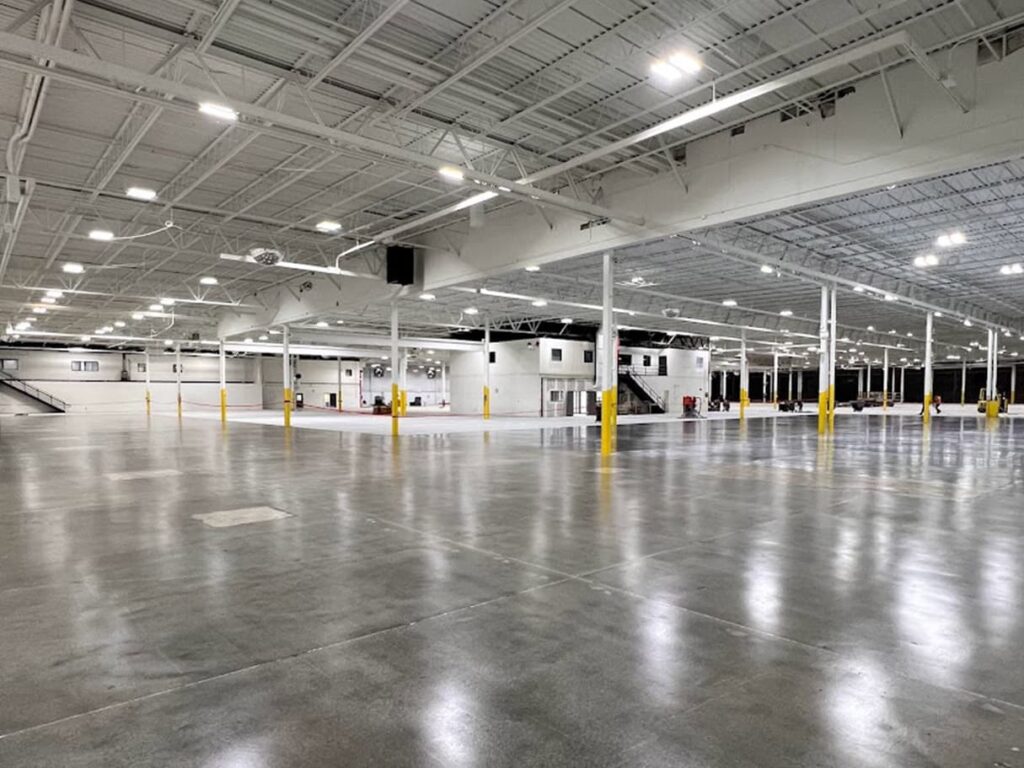
Polyaspartic sealers
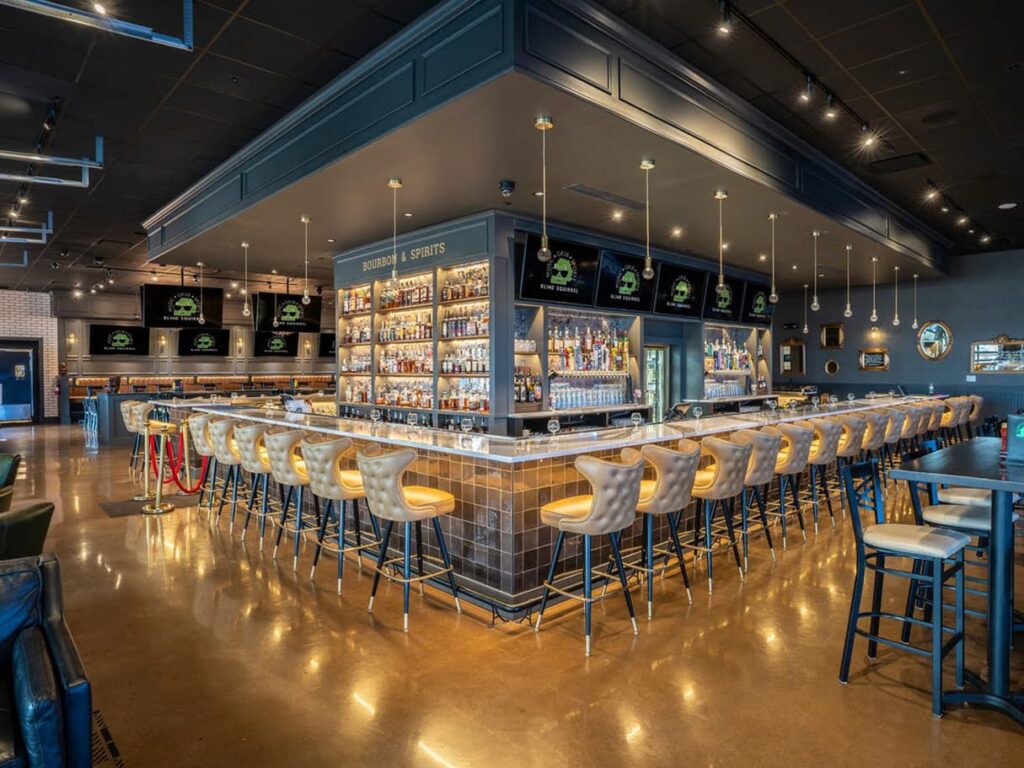
Blind Squirrel Bar & Grill
What You Can Count On
-
Craftsman-Level Care
We treat your facility with the same respect we'd expect for our own. Every square foot matters.
-
Zero-Surprise Process
Clear timelines, transparent communication, and technical expertise you can rely on throughout the project.
-
Minimal Disruption
We adapt to your schedule and work seamlessly with your team to keep operations running.
-
Complete Accountability
One team takes ownership from initial assessment to final walk-through. Your problems become our responsibility.
-
Satisfaction Guaranteed
We don't leave until the job is done right. Complete satisfaction or we keep working until we earn it.
Grind and seal questions we get
What is grind and seal?
Grind and seal is a concrete floor finish made by grinding the slab with diamond tooling and then applying a protective sealer over it. The grinding opens and flattens the surface. The sealer closes the pores, blocks stains, and sets the sheen.
How is grind and seal different from polished concrete?
The shine comes from different places. A grind and seal floor gets its gloss from the sealer sitting on top. A polished concrete floor gets its gloss from the slab itself, hardened with a densifier and refined through several diamond passes. Polishing costs more up front and lasts longer between services.
How long does a grind and seal floor last?
The slab preparation lasts. The sealer wears and gets renewed on a cycle set by your traffic, your cleaning routine, and the product we spec. We give you that schedule in the proposal so the recoat lands in your maintenance budget.
Can we stay open while you work?
Most of our clients do. We section the floor, work around your shifts, and use dust-collection equipment during grinding. Cure times drive the schedule more than the grinding does, and a fast-cure sealer shortens the window.
Will grind and seal work on an old or patched slab?
Often, yes. Grinding evens out patchwork, old adhesive, and surface damage. Cracks and joints get repaired first. During the assessment we check the slab for moisture and soundness, then tell you what the finished floor will look like.
Can you grind and seal over an existing coating?
Yes. We remove the old coating during the grinding stage, which is the same surface preparation work we do ahead of any resin system.
What does grind and seal cost?
Pricing runs per square foot and moves with slab condition, sealer selection, total area, and how much repair the floor needs going in. Grind and seal sits at the lower end of our systems and is a great way to upgrade a space without replacing an entire floor.
